



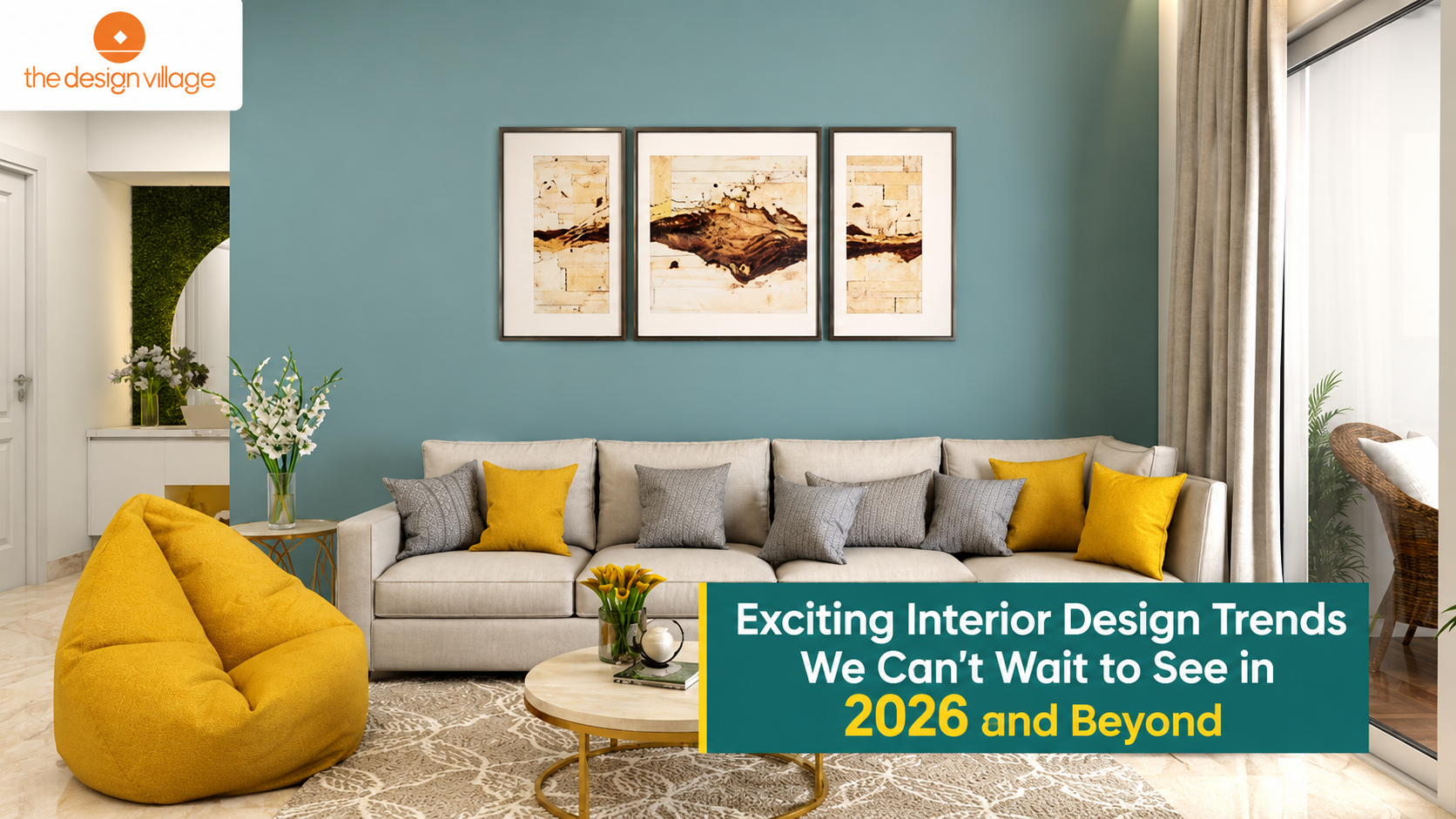
Interior design is evolving faster than ever. Driven by artificial intelligence (AI), sustainable practices, smart technologies, and changing lifestyles, the industry is entering a new era where creativity meets innovation. As we move through 2026, interior designers are expected to create spaces that are not only visually appealing but also functional, environmentally responsible, and technology-enabled.
For students planning to build a successful career in design, staying updated with these emerging trends is essential. Whether you’re exploring interior design courses after 12th, planning to pursue an M.Des course, understanding the future of design will help you stay ahead of the competition.
The Design Village (TDV) prepares students with industry-oriented learning, practical exposure, and interdisciplinary design education that equips them for the evolving creative landscape.
1. Sustainable & Circular Interior Design
Sustainability is no longer a trend—it’s becoming the standard. Interior designers are now expected to create spaces that minimise environmental impact while maximising efficiency.
Popular sustainable practices include:
- Recycled and reclaimed materials
- Bamboo and cork flooring
- Energy-efficient lighting
- Water-saving fixtures
- Low-VOC paints
- Circular furniture design
Learning sustainable design principles is now an essential part of every modern interior design curriculum.
2. AI-Powered Interior Design
Artificial Intelligence is transforming how designers work.
Today’s professionals use AI tools to:
- Generate mood boards
- Create space planning concepts
- Produce realistic visualisations
- Suggest furniture layouts
- Speed up client presentations
Rather than replacing designers, AI enhances creativity and improves workflow efficiency.
Students pursuing interior design should become comfortable using AI alongside traditional design methods.
3. Smart Homes & Intelligent Spaces
Smart homes continue to redefine modern living.
Designers now integrate:
- Voice-controlled lighting
- Smart climate control
- Automated blinds
- Security systems
- IoT-enabled appliances
Interior designers must understand how technology can be seamlessly blended into beautiful living spaces.
4. Biophilic Design
People increasingly seek healthier living environments.
Biophilic design incorporates nature through:
- Indoor plants
- Living walls
- Natural daylight
- Organic textures
- Water elements
- Natural ventilation
This approach improves wellness, productivity, and mental health while creating visually calming interiors.
5. Wellness-Centred Design
Homes are becoming spaces for relaxation, fitness, and mental well-being.
Current wellness design trends include:
- Meditation corners
- Home yoga studios
- Acoustic solutions
- Ergonomic furniture
- Air purification systems
- Circadian lighting
Future designers need to create interiors that positively impact physical and emotional health.
6. Flexible & Multi-Functional Spaces
Hybrid work culture continues to influence interior design.
Modern homes now combine:
- Home office + living room
- Guest room + study
- Dining + workspace
- Modular furniture
- Foldable storage systems
Space optimisation has become one of the most valuable design skills.
7. Bold Colours & Statement Interiors
Minimalism continues, but with more personality.
Trending colours include:
- Forest Green
- Terracotta
- Navy Blue
- Burgundy
- Mustard
- Earthy Browns
Designers are pairing these with textured fabrics, artistic lighting, and statement furniture.
8. Smart Materials & Innovative Finishes
Technology is influencing materials too.
Popular choices include:
- Self-healing surfaces
- Recycled composites
- Antibacterial finishes
- Acoustic panels
- Sustainable laminates
- 3D-printed décor
Knowledge of innovative materials gives designers a competitive advantage.
9. Personalised Interior Experiences
Clients increasingly want spaces that reflect their personalities.
Modern interior designers create:
- Custom furniture
- Bespoke lighting
- Personal art displays
- Tailored storage
- Individual colour palettes
Design is becoming highly personalised rather than following one-size-fits-all trends.
10. Virtual Reality (VR) & Augmented Reality (AR)
One of the biggest industry shifts is the use of immersive technologies.
Designers now use:
- VR walkthroughs
- AR furniture placement
- 3D visualisation
- Interactive client presentations
These tools help clients experience spaces before construction begins.
Why Choose The Design Village?
The Design Village (TDV) prepares students for the future through industry-driven education and practical learning.
Students benefit from:
- Industry-led curriculum
- Live projects
- Studio-based learning
- Experienced faculty
- International collaborations
- Creative portfolio development
- Exposure to AI-enabled design tools
- Strong focus on innovation and sustainability
Whether you’re exploring interior design courses after 12th, planning an M.Des course, or considering M.Des in Interior Design, TDV provides an ecosystem that nurtures creativity and future-ready design skills.
Conclusion
Interior design in 2026 goes far beyond aesthetics. It combines sustainability, artificial intelligence, wellness, technology, and human-centred thinking to create meaningful spaces.
For aspiring designers, keeping pace with these evolving trends is essential to building a successful career. Choosing a design institute that offers practical exposure, interdisciplinary learning, and industry relevance can make all the difference.
If you’re looking for one of the leading interior design colleges in Delhi NCR or planning to pursue an M.Des course, The Design Village offers an innovative learning environment that prepares students for the future of design.
FAQs
1. What are the latest interior design trends in 2026?
AI-powered design, sustainable interiors, biophilic design, smart homes, wellness-focused spaces, and flexible layouts are among the biggest trends.
2. Which course is best for becoming an interior designer?
Students can start with an undergraduate interior design programme after Class 12 and later pursue an M.Des course to specialise and advance their careers.
3. Is interior design a good career in 2026?
Yes. The growing demand for residential, commercial, hospitality, and smart-space designers has created strong career opportunities for skilled professionals.
4. What skills are essential for interior designers today?
Creativity, space planning, CAD software, 3D visualisation, AI design tools, communication, and knowledge of sustainable materials are highly valued.
5. Why should students consider The Design Village?
TDV offers industry-oriented learning, live projects, experienced faculty, and exposure to emerging technologies, helping students build successful careers in design.
6. Can I pursue an M.Des after completing my bachelor’s degree?
Yes. An M.Des in Interior Design or other design specialisations helps students gain advanced knowledge, improve research skills, and access leadership roles in the design industry.


